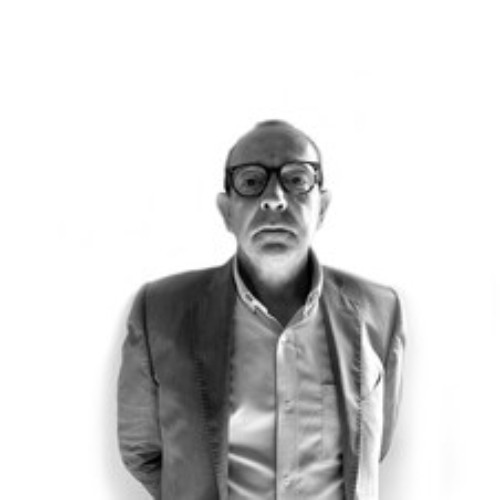
The taciturn Viola, who would rather talk about the Mafia than the failures of his public prosecutors

The Milan Public Prosecutor has spoken very little in recent years, and even less about the investigations, only speaking out on those cases guaranteed to attract media attention. Yet he has always remained silent on those that would have required a balanced comment, or some clarification on the rationale behind cases that were opened only to be swiftly closed.
13 NOV 26
Translated by AI
Image of The taciturn Viola, who would rather talk about the Mafia than the failures of his public prosecutors

Photo: Ansa

One might be tempted to reach for an Appendino-style cliché, such as ‘families can’t make ends meet, but the government is thinking about weapons’. Such a phrase comes to mind while reading the interview that Milan’s public prosecutor Marcello Viola gave yesterday to La Stampa in Turin. The mother of all Milanese investigations – the one into the ‘corrupt vortex’ of town planning – has deflated like a soufflé, and it was he himself who brought it to a head by requesting that the case be dismissed. The first two construction-related trials to reach a verdict saw the prosecution’s theories refuted. The most sensational case in recent news – the arrest, which he countersigned, of Youssef Siher, accused of incitement to commit a criminal offence aggravated by the aim of terrorism – was dismantled in the blink of an eye by the investigating judge, and the prosecutors did not even lodge an appeal.
The ‘Arbitropoli’ investigation was also shelved by Viola as soon as he had read the flimsy evidence. The public prosecutor’s request to compel Glovo to offer its delivery riders permanent contracts – another recent investigation that caused a media stir – was soundly rejected by the investigating judge: it is not the role of a criminal court to turn delivery riders into employees. The investigation into the Milano-Cortina Foundation – which, according to the media, was even supposed to call the Olympics into question – came to nothing last summer, when the Constitutional Court ruled that the Foundation’s private legal status was legitimate, as argued by the government. The list could go on; many investigations in recent years – some of which were little more than a spectacle for the cameras – have sought to portray Milan as a cesspit of all manner of vices and have caused some real harm: the damage to the construction sector and to families left homeless will last for years. Amidst all this, whilst Sagunto is being ‘conquered’, as the ancients would say, Milan’s public prosecutor Marcello Viola has given a lengthy interview to a Turin-based newspaper on the ongoing ‘Hydra’ trial (involving 145 defendants) and the serious role played by the mafia: ‘In the trenches against the mafia in Milan. A multi-headed monster doing business’. A disclaimer for the uninitiated: the role of the mafias, united and active in the metropolis, is well-known and dangerous, as is their transformation into players in the world of finance, whether in the formal or informal sectors. The key quote from the Hydra investigation is a wiretapped conversation between the bosses: “No shots fired – have you seen how everything has changed?” The investigation, led by the Milan Anti-Mafia Directorate (DDA) headed by Alessandra Dolci, is significant, and Viola is right to highlight it.
A few unanswered questions, out of pure curiosity, remain regarding the communications strategy of the public prosecutor, who in recent years has spoken very little about the investigations, only commenting on those certain to attract media attention, such as the one concerning Fondazione Milano - Cortina (though the public prosecutor’s office ultimately bore the brunt of the fallout), or the investigations into Mafia infiltration and criminal activity amongst the Inter and Milan football fan groups, or the case of the ‘Serpico of Rogoredo’. He has, however, remained silent on matters that would have required a balanced commentary – including in relation to certain media campaigns – or some clarification on the rationale behind cases that were opened only to be swiftly closed, as if they were collateral damage, or on the logic behind the prosecution of alleged offences or abuses that were subsequently quickly dismissed by investigating magistrates, the Review Court, or the Constitutional Court. Is it not the prosecutor’s duty to assess and also account for the work of his office?
In short, Milan has been overrun like Sagunto, partly due to certain investigations by the public prosecutor’s office, and yet Viola prefers to be interviewed in Turin about the Mafia? It must be said, however, that even the questions put to him are somewhat surprising. Let us accept—such things do happen in the press—that the interview was conducted beforehand or arranged to focus on the subject of the Mafia. However, to include a question about corruption that was not even raised? About the arrests that were denied after just a few days? That would have been far more interesting to read. Perhaps next time.