
World
Deaths from dirty work •
The two Italians killed in Kuwait are not collateral victims of a conflict that has nothing to do with us
Rheinmetall engineers Antonio Saccoccio and Emanuele Lo Russo are the visible cost of a deterrent that Europe continues to fund whilst appearing to turn a blind eye to its most direct consequences

Photo: Ansa
“Rheinmetall is aware of its historical responsibility towards Israel and fully supports the Jewish state’s right to exist.” So reads the statement from the company which yesterday lost two Italian technicians, Antonio Saccoccio and Emanuele Lo Russo, in the Iranian drone attack in Kuwait. The area was high-risk. Iranian attacks on U.S. bases in the Gulf have caused such severe damage that the Pentagon has no interest in rebuilding them (those in Kuwait sustained the most damage). As the successor to an industry founded in 19th-century Prussia, Rheinmetall is a strategic player in European security. Through its Italian subsidiary RWM Italia, Rheinmetall and the Israeli firm Uvision Air produce the ‘Hero’, the notorious kamikaze drones. “Israel is doing the dirty work for all of us in Iran,” Chancellor Friedrich Merz said a year ago. The products of Rheinmetall’s Italian subsidiary are vital for protecting the Arab countries targeted by Tehran and have also been purchased by numerous NATO countries. Rheinmetall is also one of the main partners of the Ukrainian defence sector. While the Israeli Arrow 3 protects Germany from the air, another weapon co-produced by Israel and Rheinmetall is strengthening European defence on the ground: the Spike anti-tank missile, a ‘fire-and-forget’ system, as a single soldier is able to carry and fire the missile, which then homes in on its target. Adopted by NATO, the Spike is one of the continent’s main anti-tank systems. A classic example of the defence industry aligning commercial interests with geopolitical priorities.
This summer, German police dispersed pro-Palestinian demonstrators who had blockaded a Rheinmetall factory in Berlin. Greta Thunberg was also part of the ‘Peacefully against genocide’ group. This is why we mourn the Italian deaths at work but feel a certain embarrassment regarding these deaths whilst carrying out ‘dirty work’. The two Italians are not collateral victims of a conflict alien to us: they are the visible cost of a deterrent that Europe continues to fund whilst appearing to turn a blind eye to its most direct consequences.
The question is how long we can continue to believe that security is a public good and risk a private matter, or that – as the new Iranian ambassador to Rome, Ali Akbar Rezaei, claims in a disastrous interview with Corriere della Sera – Tehran is ‘merely defending itself’.
More on these topics
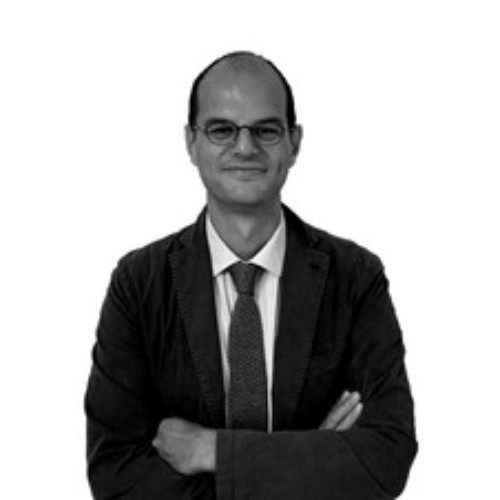
Giulio Meotti è giornalista de «Il Foglio» dal 2003. È autore di numerosi libri, fra cui Non smetteremo di danzare. Le storie mai raccontate dei martiri di Israele (Premio Capalbio); Hanno ucciso Charlie Hebdo; La fine dell’Europa (Premio Capri); Israele. L’ultimo Stato europeo; Il suicidio della cultura occidentale; La tomba di Dio; Notre Dame brucia; L’Ultimo Papa d’Occidente? e L’Europa senza ebrei.